7 Reasons Your Teeth Hurt After a Dental Cleaning—and What to Do About It
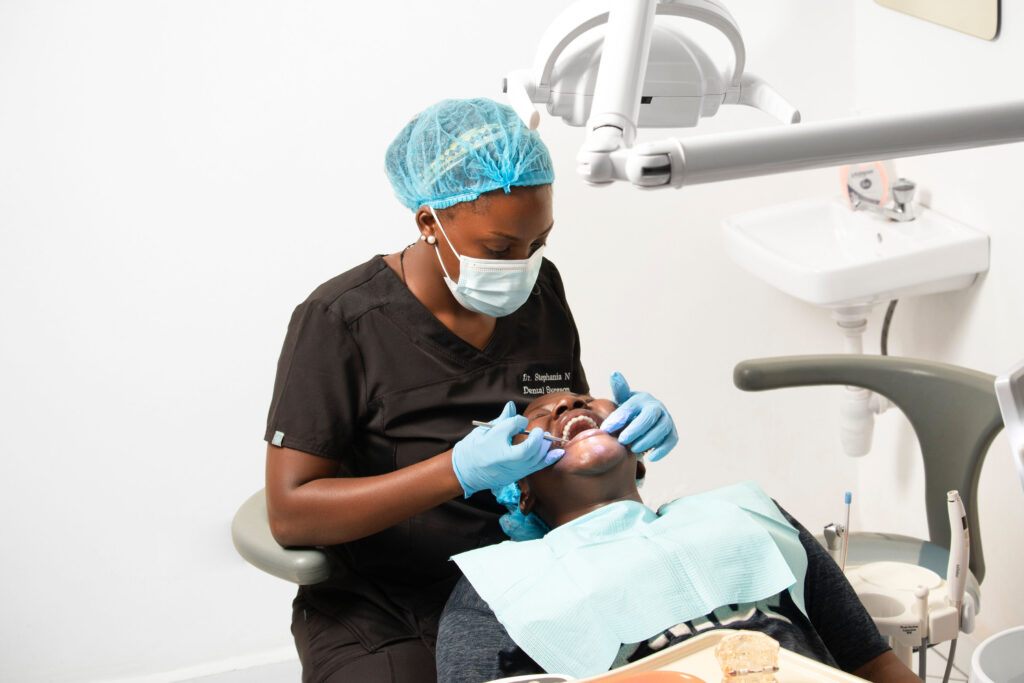
Professional dental cleanings, including scaling and polishing, are essential for maintaining optimal oral health. These procedures remove plaque, tartar, and surface stains that regular brushing and flossing cannot eliminate.
However, it is not uncommon for patients to experience temporary tooth sensitivity following a dental cleaning. While this can be concerning, it is typically a normal and short-lived response.
Understanding the causes of this sensitivity-and knowing how to manage it-can help you feel more confident about your dental care routine and avoid unnecessary worry.
What Happens During Scaling and Polishing
Scaling and polishing are preventive dental procedures designed to protect both teeth and gums.
- Scaling involves the removal of plaque and hardened tartar (calculus) from the tooth surface and below the gumline.
- Polishing smooths the tooth surface, making it more difficult for plaque to accumulate again.
During this process, areas of the teeth that were previously covered by tartar may become exposed. Additionally, the gums may undergo mild stimulation, especially if there was pre-existing inflammation. These changes can temporarily increase sensitivity.
1. Removal of Tartar Exposes Sensitive Areas
Tartar buildup can act as a physical barrier over certain parts of the tooth, including areas where enamel may be thinner or worn.
Once this buildup is removed, these previously shielded areas are exposed to external stimuli such as temperature changes and air. This can make the teeth feel more sensitive than before the cleaning.
2. Mild Gum Irritation
During scaling, dental instruments are used to clean along and slightly beneath the gumline. This can cause minor irritation to the gum tissue.
Patients with gingivitis or early-stage gum disease may be more likely to experience tenderness, as their gums are already inflamed. This irritation is usually mild and resolves within a few days.
3. Gum Recession
Gum recession occurs when the gum tissue pulls back from the tooth, exposing the root surface. Unlike enamel, the root is covered by a softer material called cementum, which is more sensitive.
If recession is present, scaling and polishing may make this exposure more noticeable, leading to heightened sensitivity-particularly when consuming hot, cold, or sweet foods.
4. Deep Cleaning Below the Gumline
In some cases, a more thorough cleaning is required to remove deposits from below the gumline. This process, while beneficial, can temporarily irritate both the gums and the tooth roots.
Patients with significant tartar buildup or periodontal concerns may experience slightly more pronounced sensitivity following such procedures.
5. Pre-Existing Tooth Sensitivity
If you already have sensitive teeth, a dental cleaning may temporarily amplify this condition.
Factors such as enamel wear, small cracks, or previous dental work can contribute to underlying sensitivity, which becomes more noticeable once the teeth are thoroughly cleaned.
6. Minor Surface Changes
Scaling instruments are designed to safely remove hardened deposits without damaging the enamel. However, the cleaning process may create very slight, temporary surface changes that increase sensitivity.
It is important to emphasize that professional dental cleaning does not harm the enamel. Any sensitivity experienced is typically due to temporary changes in how the tooth surface responds to stimuli.
7. Increased Awareness After Cleaning
After polishing, teeth feel smoother and cleaner. Without plaque and tartar acting as a buffer, sensations such as cold air or beverages may feel more pronounced.
In some cases, it is not that the teeth have become significantly more sensitive, but rather that the patient is more aware of sensations that were previously dulled.
How Long Does the Sensitivity Last?
Post-cleaning sensitivity is usually temporary.
- Most patients notice improvement within a few days
- Sensitivity typically resolves within one week
If discomfort persists beyond one to two weeks, it is advisable to consult your dentist for further evaluation.
What to Do About It
There are several effective ways to manage sensitivity after a dental cleaning:
Use Desensitizing Toothpaste
Toothpaste formulated for sensitive teeth helps block the pathways that transmit sensation to the nerves. Regular use can significantly reduce discomfort.
Avoid Extreme Temperatures
Limit very hot or very cold foods and beverages for a few days following your cleaning.
Brush Gently
Use a soft-bristled toothbrush and gentle brushing technique to avoid further irritation to the teeth and gums.
Maintain Good Oral Hygiene
Continue brushing and flossing regularly to prevent plaque buildup and support gum health.
Use Fluoride Products if Recommended
Fluoride strengthens enamel and can help reduce sensitivity over time. Your dentist may recommend a fluoride rinse or treatment.
When to See a Dentist
While mild sensitivity is normal, you should seek professional advice if you experience:
- Persistent sensitivity lasting more than two weeks
- Sharp or severe pain when biting
- Swelling or signs of gum infection
- Sensitivity localized to a specific tooth
These symptoms may indicate an underlying issue that requires attention.
What Should You Look for in a Dental Clinic in Kampala?
If you’re actively searching for dental cleaning in Kampala, consider:
- Licensed and Qualified Dental Professionals
- Modern Sterilization Equipment
- Transparent Pricing
- Clear Consultation Process
- Positive Patient Experience
Conclusion
Tooth sensitivity after scaling and polishing is a common and generally harmless occurrence. It is usually a temporary response to the removal of tartar and the exposure of previously covered areas of the teeth.
Regular dental cleanings remain a critical part of preventive care, helping to avoid more serious oral health problems such as gum disease and tooth decay.
If you experience sensitivity following your appointment, simple at-home measures are often sufficient to manage the discomfort. However, if symptoms persist, consulting your dental professional ensures that any underlying concerns are addressed promptly.
Why Choose Precision DENTAL Clinic in Kampala?
When it comes to your smile, you deserve precision, professionalism, and comfort.
At Precision DENTAL Clinic, we provide:
Modern ultrasonic scaling technology
Strict sterilization protocols
Experienced dental professionals
Comfortable and welcoming environment
Transparent pricing with no hidden costs
Convenient Kampala location
We don’t just clean teeth – we help you protect your long-term oral health.
Your smile affects your confidence, health, and overall wellbeing. Investing in professional dental cleaning today can prevent painful and costly procedures tomorrow.
Book Your Dental Cleaning Appointment Today
If you’re searching for affordable, safe, and professional dental cleaning in Kampala, Precision dENTAL Clinic is ready to serve you.
- Conveniently located in Kampala
- Easy appointment booking
- Professional care you can trust
Visit: https://precisiondental.ug
Call today to schedule your appointment and experience the difference.